

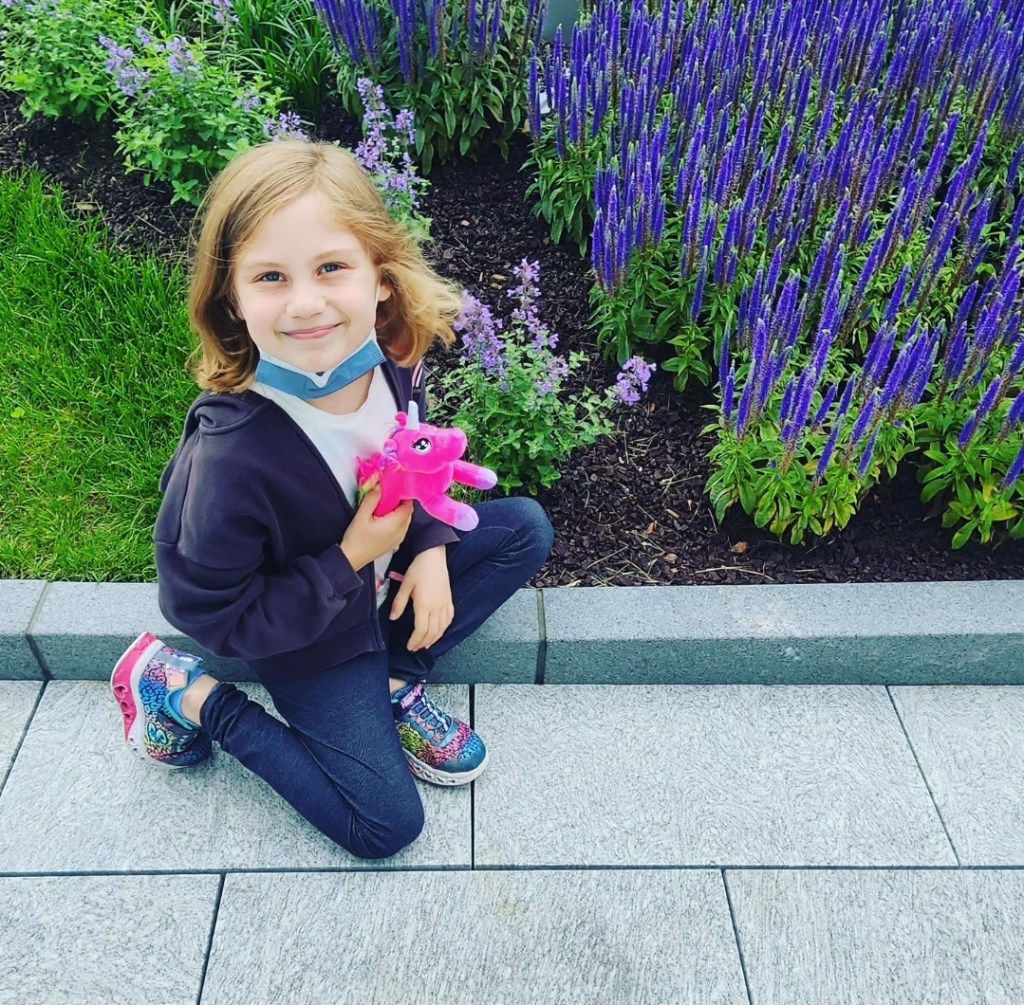
To say “it’s been a day” would be an understatement. There are so many times when this little girls bravery amazes me but each time it still takes me by surprise. Today was long. Very very long. As adults, we struggled with the schedule. There were lots of shed tears, frustrations, cries to return home and anger. After much poking, prodding, IVs, scans, meetings, exams, tests and lots of discussion she seems to have reached acceptance. We’ll acceptance for today’s adventures, tomorrow will be a whole different story….
The Game plan:
Arrival is set to 7am(Boston time). Katja will be the first surgery of the day. They plan to give her oral medication to help calm her (she’ll be loopy) and keep her from freaking out. She’ll be taken back and sedated before prep.
After speaking with the Boston team, we finally have a game plan!
I’ll try to make this as simple and easy to understand as possible but I highly recommend heading over to the “Mending a Heart” tab and reading “What’s an Ozaki” for a better understanding of Katja’s previous surgeries and how that complicates her next one.
In order to understand the “why’s” behind our choices let me giving you a little background. Again the Mending a Heart tab is a great resource for more in-depth info on this. Katja has ADHD and PPC (chorea) both of these disorders make her very energetic, chaotic and accident prone. Even on a good day, she’s full of bruises. Now normally that doesn’t matter. She’s a rough almost 8 year old, many kids are but the issue comes when we talk about valve replacement.
So what’s the problem? The problem is anti-coagulants. These are used to prevent blood clots and they are life long when having a mechanical valve placed. Being on them increases Katja’s risk of internal bleeding, excessive bruising, bleeding in her gums, nose bleeds and many more issues. She’ll also need her levels checked regularly, which comes with the unwanted need of needles, bloodwork and testing. Then comes the diet changes, as many things can interact with how the body processes the medication. It’s a lot to ask a child to give up. Contact sports are highly discouraged, being extra vigilant about falls, avoiding vitamin K foods (bye bye broccoli, Her Favorite!) and much more bruising. I’m skimming the info here, there is much more and honestly there are a lot of pros too. However I always believe in a “individual” approach to anything medical and weighing the pros/cons for Katja, heavily favors anti-coagulates as a “con”. After lots of talks, our decision was “She’s to young to understand what she’s being asked to give up. We rather “kick the can down the road” and let her decided when she’s old enough too. Once we go down this road, we can’t go back”. Her teams 100% support this and agree, for Katja personally, we need to avoid life long therapy (though short term after surgery is a possibility).
So that gets us to the point of what options do we have to fix Katja’s heart? Well, let’s start with her Truncal valve (aorta):
Option #1- Mechanical valve. This is the “old faithful” approach. We have many many years of research, studies and information on longevity, prognosis and outcomes with it. On average we are looking at 15-20 years of it functioning fine and never having to touch it again. Of course that is best case scenario. The issue is as stated above anti-coagulates. This is a life long commitment to taking them.
Option #2- Bioprosthetic valve. These are valves that instead of being made with mechanical pieces, come from bovine (cow) parts. They have a good track record of about 10-15 years in adults, but usually less than 10 years in kids. Anti-coagulation is usually done for 3 months post-op but not lifetime. Down side is longevity. Calcification is a huge issue with these valves in kids. At Katja’s age, she’d be lucky to get 5 years before replacement.
Option #3- Ozaki valve. When faced with the above two options, this is how we originally ended up at this choice. Issues here are longevity, data and outcomes. The Ozaki in adults shows almost as good of outcome as a mechanical but again calcification in younger kids plays a huge role here. Average lifespan varies based on Dr and materials used (bovine, donor or patients own pericardium)but it’s about 3-12 years. Anti-coagulation with it is rare (usually just aspirin) and even then less than 6 months.
We decided that option 3.1 was best, replace her current Ozaki with another. However, this time her surgeon is going to go looking for her own pericardium (her last was bovine and like with a bioprosthetic it’s calcifying). Most of her pericardium was used in her first OHS and with how long/complicated OHS #2 was, they decided not to spend the extra time looking for it. Her Boston teams feels it’s worth the additional time because native tissue is much less likely to calcify over time. Giving her many more years than her original Ozaki (which was 5 years).
So the plan for her truncal valve is to Ozaki it again with native tissue. Boston is much more highly skilled at this than anyone else, thus our reason for picking them.
That leaves her pulmonary conduit. It’s functioning okay but the issue is the brand. It’s a Contegra. They are showing a lot of issues with them around the 5-6 year marker (where Katja is currently) and they don’t feel keeping it in is worth the risk. So it’s being replaced.
So why did we decide all of this? Well first, even replacing her conduit, OHS #4 will come some day. She still isn’t ready for an adult conduit, so some day she’ll need another surgery. This is what I meant by kicking the can down the road. We know OHS #4 will happen for her pulmonary conduit, so does it matter then if her truncal valve is done again too? She’d be in her late teens/early 20’s by then. It would be her choice on how she’d like to live life. Her choice on if going 20 years between surgeries is worth the sacrifices of anti-coagulates. We believe that holding out and giving her that choice is worth it. That her heart will be her responsibility the rest of her life and we want her to have an active role in deciding her own future when she’s old enough. If we take that away now, she’ll be stuck on mechanical valves for the rest of her life (based on current technology. I hope that changes some day).
That’s the plan, one we really hope can happen and Boston can complete without complication. We are looking at a good 6-8 hours or more for surgery, but nothing our Warrior hasn’t handled before.
Wish us luck for tomorrow! 🙏


 Confessions of a Mended Heart
Leave a comment