

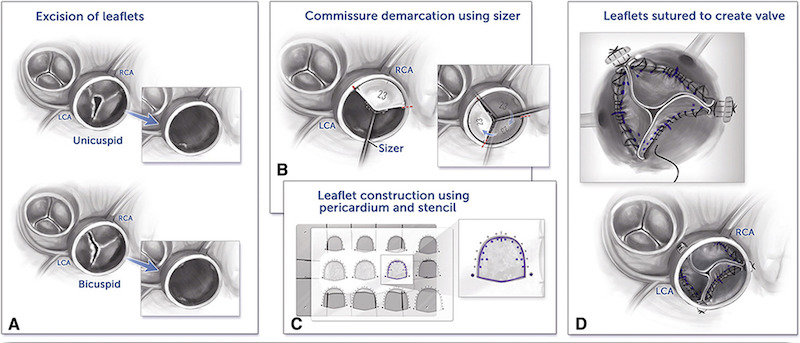
During an Ozaki procedure the diseased aortic valve leaflets are removed, and a new aortic valve is recreated by sewing the leaflets into the aortic valve, providing a new functioning valve. These leaflets can be created from animal pericardium or the patient’s own pericardium tissue. The new valve that has been created has the potential to expand as the heart grows and still maintain its ability to function as a valve.
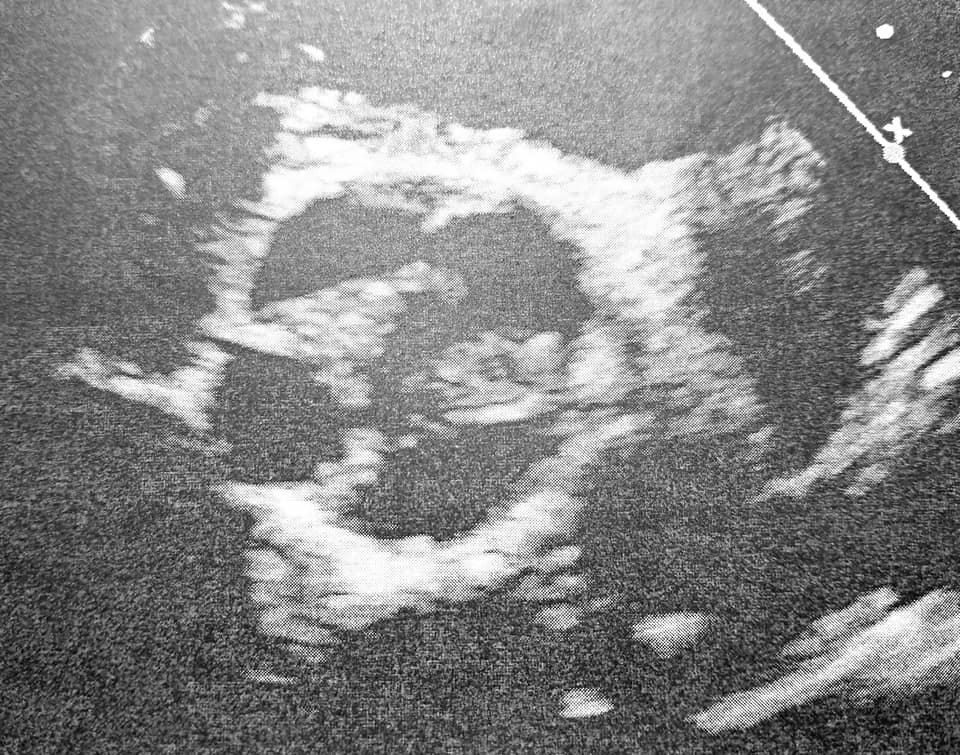
So Katja was getting a Frankenstein valve. The problem? Katja has 4 leaflets, not 3. The procedure and its templates were not designed for 4 to 3. Only 3 to 3 or 2 to 3. Luckily our surgeon knew Dr. Ozaki and reached out for a chat. The team was able to combine the two smallest leaflets into one, giving Katja a fully functioning 3 leaflet valve. The leaflets were created a little larger than needed, they extended inward and as I always say “They just kind of flapped in the wind”. As she grows, they come together until they start to grow apart. The team estimated 2-4 years before intervention was needed again.
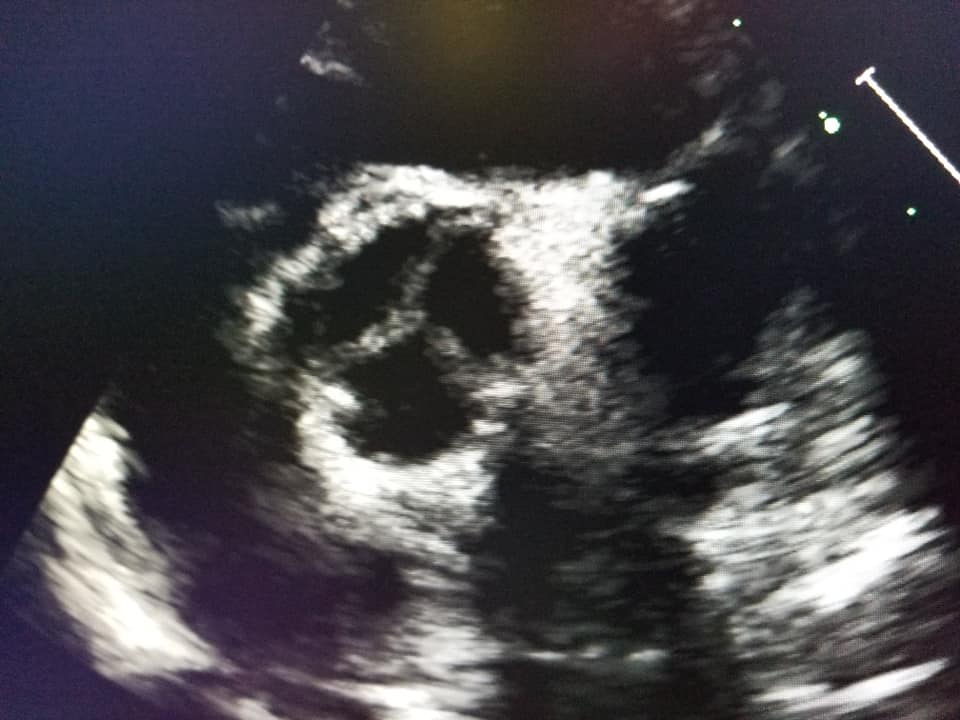
They also replaced her conduit by giving her a bigger one. Katja’s 2nd OHS was complex. They had to open her back up in the OR due to internal bleeding. It was a terrifying 9 hours. But she came out of recovery and 24hrs later was awake asking for a Hotdog, we knew our warrior was fine. She came home 5 days after surgery! That’s our girl! She’s Katja STRONG!


Seattle Children’s Blog wrote an article about Katja and her Ozaki. You can read that here:
https://pulse.seattlechildrens.org/toddlers-heart-rebounds-after-frankenstein-heart-procedure/


 Confessions of a Mended Heart
Leave a comment